
DARPA’s DRACO nuclear propulsion project ROARs no more
DRACO began life in 2020 with the moniker "Reactor on a Rocket," or ROAR — a name agency scientists later decided might garner negative attention.
DRACO began life in 2020 with the moniker "Reactor on a Rocket," or ROAR — a name agency scientists later decided might garner negative attention.
The Space Force is interested in DRACO primarily as an option for allowing it to undertake rapid on-orbit maneuvers, but also for potential future missions out to the Moon, Mars and beyond.


These are the five root causes that account for most of the delay in cognitive operations staffing.
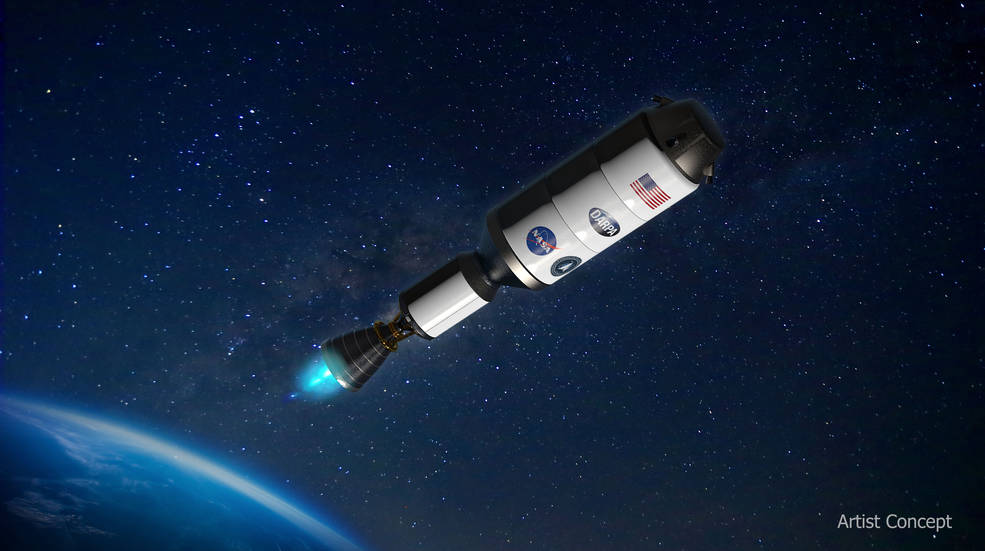
"When people like to question the validity or usefulness of this engine, I point them to Wernher von Braun," said Tabitha Dodson, DRACO program manager at DARPA, "because this was more or less his idea."
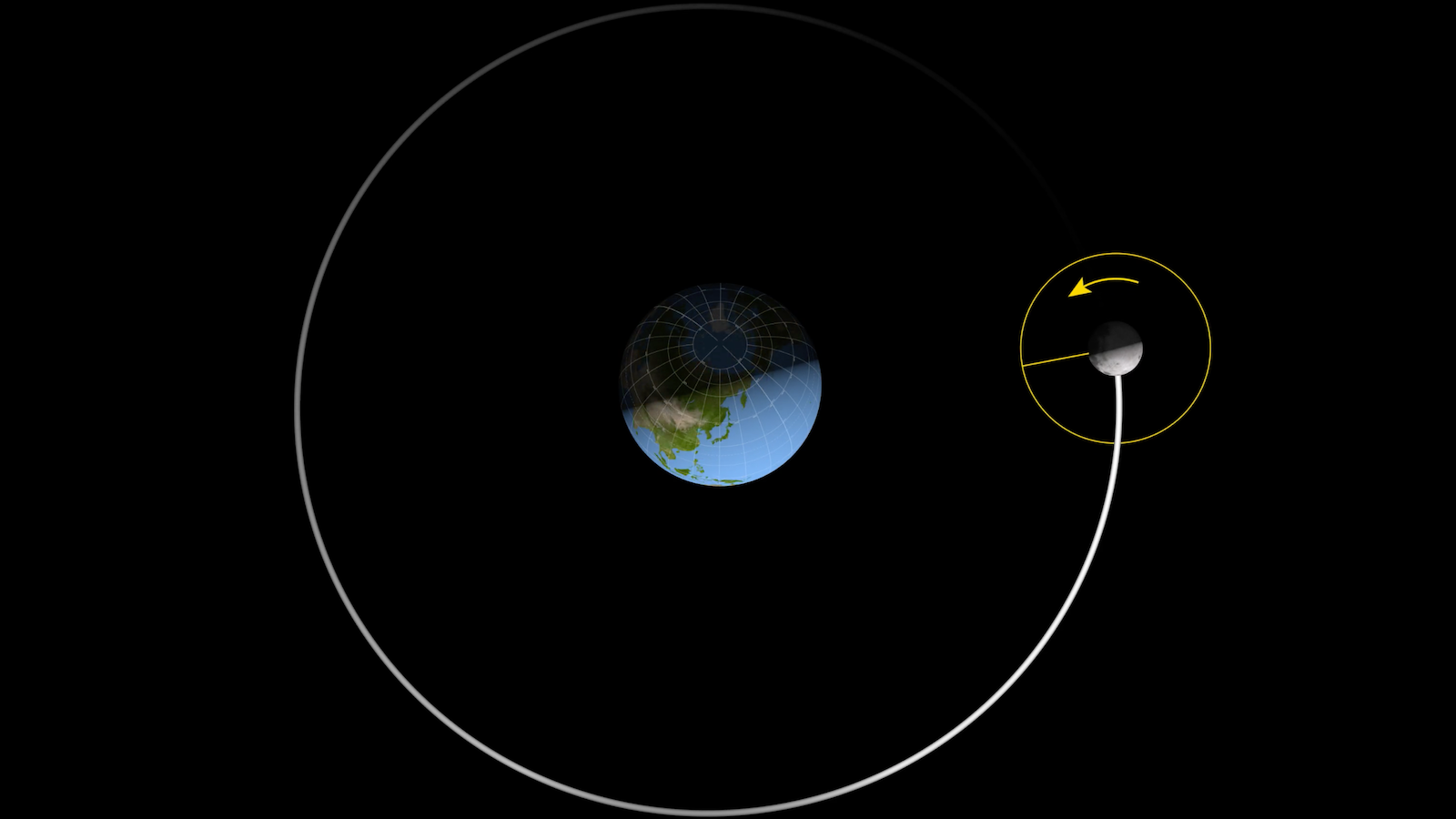
"We're kind of restricted right now, by the tyranny of the rocket equation. I've got to have mass to eject in order to move myself around within the Earth-Moon gravity well and beyond. How do we get past that?" asked SPACECOM deputy commander Lt. Gen. John Shaw.
"Magdrive's future is American, 100%," said Mark Stokes, CEO of the Oxford, England-based startup.

AFRL last Thursday held a classified stakeholder meeting to discuss R&D to underpin future military operations beyond the traditional near-Earth orbits used today.


AI is expanding the mission data footprint across defense environments, increasing the need for scalable, layered data-at-rest (DAR) protection.

DARPA's budget documents say cislunar orbit is the "new high ground" at risk of being taken over by US adversaries.